Friday, August 11, 2006

Airline Travel Information from ADA

Special Announcement

New Airline Travel Security Information from ADA

Due to stepped-up airport security measures on August 10, 2006 concerning liquids and gels, the Transportation Security Administration (TSA) has issued new guidelines related to what passengers can and cannot bring on board the airplane. The TSA announcement specifically states that insulin will still be permitted aboard airplanes along with prescription medicine with a name that matches the passenger's ticket. The general guidelines for traveling with diabetes supplies are still in effect.

More information about traveling with diabetes supplies, which TSA has developed in conjunction with ADA's assistance, can be found here. These tips will help ensure the safety and convenience of travelers with diabetes, while also keeping the traveling community as a whole safe.

Friday, July 07, 2006

What Exactly Is This “Gestational Diabetes”?

By Ashish Jain

Gestational diabetes is a temporary condition that occurs
during pregnancy. It is one of the top health complications
that a woman has to face during pregnancy. Indeed a double
curse!

If the woman had gestational diabetes during pregnancy then she
is most likely to pass it on to the child. So, if a woman has
gestational diabetes during pregnancy, there is an increased
risk of developing diabetes for both mother and child. Timely
knowledge about this condition, goes to control it effectively
by diet and exercise. After the baby is born, the mother and
the child both recoup their original health.

One problem gives room for a series of problems. The major risk
is the birth of a fat baby. The condition is known as
macrosomia. The baby by birth will have its own problems, the
common one being damage to its shoulders during birth.

Some basic precautions have to be taken to prevent the risk of
gestational diabetes. It is taking recourse to natural methods
again! Make it a point to lose weight, if you are overweight.
Be careful and choosy about your food, and above all, do
exercises regularly. This type of diabetes is a temporary
condition, a passing phase, that occurs during pregnancy.

There is another risk for the baby. It may develop breathing
problems.

The exact causes of the gestational diabetes are not known yet.
But there are certain clues and possibilities, why gestational
diabetes occurs! It is insulin resistance.

The baby, as it grows, is supported by the placenta. Hormones
help the baby develop. But the hormones also do a damaging act.
They block the action of the mother’s insulin in her body. The
mother’s body finds it hard to use insulin, so her requirement
of insulin goes up by 300 % and gestational diabetes is the
result!

Utmost care is needed to combat gestational diabetes, as it
concerns the health of the mother as well as that of the baby.
Food choices are of paramount importance. This will have
beneficial effects on the health of your baby’s growth. If you
are fit and healthy, the risk of cesarean section birth can
also be avoided.

In many cases, it has been found that gestational diabetes
leads to type II diabetes later.

Do exercises regularly even during pregnancy, but only after
consulting your doctor. This is the formative period for you as
well as for the baby. Proper exercises provide strength to your
body and act favorably for the growth of the baby within.

Shut the door on the face of the diabetes, even if it pleads
that it is only gestation. This evil does not deserve mercy.


About The Author: Ashish Jain writes about many topics. For
more information on diabetes visit http://www.diabitieslife.com.

Two Types of Diabetes and How They Differ

By A. Pruder

There are two types of diabetes, which consists of Type I and
Type II. It is important to understand the distinction between
the two and how both are treated.

Type 1 diabetes is commonly found in children and/or
adolescents, but may also occur in adults. With type 1
diabetes, there is almost always a complete deficiency of
insulin. As a result, the most common treatment is insulin
injections, a lifestyle that consists of both diet and exercise
and regular monitoring of blood glucose levels with the use of
blood testing monitors. Patients who have been diagnosed with
type 1 diabetes can continue to enjoy a normal life providing
they continue with their treatment and take special care to
follow their doctor’s instructions and/or recommendation.

With type 2 diabetes, an individual’s insulin level is usually
either normal or sometimes even elevated, but is not deficient.
This form of diabetes is believed to be more complicated than
type 1, but ironically is thought to be easier to treat.
Because insulin is still being produced inside the body, type 2
diabetes often goes undetected for years. Symptoms are milder
and may even be sporadic, which often reduces the level of
concern. The main problem with type 2 diabetes going unnoticed
is the potential for serious complications, including renal
failure and coronary artery disease. The initial treatment
phase of type 2 diabetes will likely include a lifestyle
adjustment to feature increased physical activity and a diet
that is geared toward weight loss. The next step, if necessary,
will be medication and possibly insulin therapy if needed.

Both types of diabetes require that the patient maintain normal
blood glucose levels in an effort to reduce the possibility of
organ damage, including eyesight, kidney, blood circulation,
etc. In order for this to occur, patients must carefully
monitor their food intake and make sure to participate in
regular exercise, all the while continuing to monitor their
blood glucose level.

As of 2006, there is no known cure for diabetes. A chronic
disease that effects many, diabetes is best treated through
patient education, nutrition, self awareness and long-term
care. In addition, patients are often urged to be aware of
other symptoms that may indicate complications arising from
diabetes.

The contents of this article are to be used for informational
purposes only. It should not be used in conjunction with, or in
place of, professional medical advice relating to diabetes. This
article must not be used as a basis for diagnosing or treating
diabetes, but rather an informational source designed to
explain the difference between the two types. For further
information, a diagnosis or recommended treatment method for
diabetes, individuals should consult a licensed physician.


About The Author: For more information about diabetes, click
the link to visit our website at http://www.diabetesreport.info.

Can I Go Tanning With Diabetes

Article by Kacey C. Hall

Diabetes and Tanning
If you are undergoing treatment for lupus or diabetes or are
susceptible to cold sores, be aware that these conditions can
be aggravated through exposure to ultraviolet radiation from
tanning devices, sunlamps, or natural sunlight. In addition,
your skin may be more sensitive to artificial light or sunlight
if you use certain medications, for example, antihistamines,
tranquilizers or birth control pills. Your tanning salon may
keep a file with information on your medical history,
medications, and treatments. Make sure you update it as
necessary.

Protecting Yourself
Limit your exposure to avoid sunburn. If you tan with a device,
ask whether the manufacturer or the salon staff recommend
exposure limits for your skin type. Set a timer on the tanning
device that automatically shuts off the lights or somehow
signals that you’ve reached your exposure time. Remember that
exposure time affects burning and that your age at the time of
exposure is important relative to burning.

Knowing your Tanning Lotion
Some suntanning products don't contain sunscreen. It only takes
a few bad sunburns to raise the risk of skin cancer, and skin
damage builds up over years even when no burning occurs. This
is why sunscreen, which blocks UVA and UVB, is recommended. The
FDA has expressed concern about suntanning products without
sunscreen, and encourages consumers to check the labels for SPF
protection.

Sunscreen is regulated by the FDA as an OTC drug. Look for
products with a sun protection factor (SPF) of 15 or more. The
higher the number, the better the protection. Sunscreen should
be liberally applied to skin 30 minutes before going out in the
sun, and then every two hours after that.

Tanning Salons
It's true that most sun lamps emit mainly UVA radiation, and
that these so­called "tanning rays" are less likely to cause a
sunburn than UVB radiation from sunlight. But, contrary to the
claims of some tanning parlors, that doesn't make them safe.
UVA rays have a suspected link to malignant melanoma, and, like
UVB rays, they also may be linked to immune system damage.

Tanning Safely
We urge you to find out more about self tanning. You can self
tan with a Sunless tanning lotion. Sunless tanning lotion is a
tanning lotion that gives you that great tan without the
dangers of UVA and UVB! Find out more about Self Tanning!


About The Author: Self-tanning products, also called
''sunless'' tanning lotions, contain dihydroxyacetone. Find out
about Self Tanning at http://SelfTanning.ewhy.info.

How to Live with Diabetes

By Ashish Jain

One of the most dreaded diseases is diabetes. It is a killer
disease and it is really very difficult to control. Going by
the official US stats, diabetes is the third biggest giant
killer among the deadly diseases in the United States of
America. The global statistics is also mind-boggling!

First things first, how does a person become diabetic? When
your body is unable to produce insulin that is necessary for
its normal functioning, it becomes unable to absorb glucose
(sugar). When the levels of glucose take a course to the blood
stream, you become a diabetic patient.

Once you become diabetic, you have a problem for life. You live
hour by hour, during the day. Medication becomes part of your
life, which is likely to demand a good portion of your pension!
Your lifestyle will be changed. You will suddenly become a
thinking man now—thinking about diabetes. You might find your
self pronouncing the term diabetes, diabetes, and diabetes
hundreds of times a day!!

When it has finally seized you, it is not only diabetes alone!
Many other dreaded diseases live in waiting to take hold of
you. Some of them are kidney failure, heart diseases, nervous
breakdown, blindness, blurred vision, limb amputation and the
ultimate for the human body—death!

The prescriptive medicines complete the remaining process of
the damage. Many toxic side effects are reported- skin rashes,
weight gain and respiratory ailments, are few to quote.
Notwithstanding the claims of many over-the-counter drugs that
promise cure, the one thing that can really help you is your
diet control and perfect discipline as regards to time
management.

For example, your morning walks. Now, all the medical
practitioners agree that morning walks do great service to tame
the intensity of diabetics. So, you need to take a complete
brief about the articles of food that is suitable for you,
vegetables included! If anything will have the exacting affects
to take you out of the influence of this disease, it is nature!
So, have a perfect dietary discipline. It has taken many to the
path of complete recovery! Some of the local treatments have the
intrinsic capacity to tame your high blood sugar and such cases
are the only hope for the diabetic patients!

So, do not think that everything is lost for you! From the dark
ashes, sprouts a seedling!


About The Author: Ashish Jain writes about different topics.
For more information on diabetes visit:
http://www.diabitieslife.com.

Diabetes Rate Doubled in Last 30 Years

A new article from CNN.com you should check out:

NEW YORK (Reuters) -- The occurrence of new cases of type 2 diabetes has doubled over the past three decades, according to a report in the American Heart Association's journal Circulation.

"Most, but not all, of the increase in diabetes occurred in people who were obese -- those with a body mass index of 30 or more." lead author Dr. Caroline S. Fox, from the National Lung, Heart, and Blood Institute in Framingham, Massachusetts, said in a statement.

The findings are based on a study of 3,104 subjects, with an average age of 47 years, who were free from diabetes when they enrolled in the Framingham Offspring Study in the 1970s, 1980s or 1990s. After an initial examination, the subjects were followed to document the occurrence of diabetes over eight-year periods.

In the 1970s, the incidence of diabetes was the lowest, at 2.0 percent among women and 2.7 percent among men. By the 1990s, the corresponding rates had climbed to their highest points: 3.7 percent and 5.8 percent.

Compared with the 1970s, the risk of developing diabetes in the 1980s and 1990s increased by 40 percent and 105 percent, respectively.

Monday, July 03, 2006

Article: Coffee drinking may lower diabetes risk

A great article from CNN.com:

NEW YORK (Reuters) -- Consumption of coffee, particularly the decaffeinated variety, is associated with a reduced risk of diabetes, according to a report in the Archives of Internal Medicine.

The study is not the first to document this association. However, in previous studies it was unclear whether the relationship was true among people of different ages and body weights and whether the caffeine component was the ingredient primarily responsible for the anti-diabetes effect.

Dr. Mark A. Pereira, from the University of Minnesota in Minneapolis, and colleagues addressed these uncertainties by analyzing data from 28,812 women enrolled in the Iowa Women's Health Study, which ran from 1986 to 1997. All of the women were free from diabetes and heart disease when the study began.

The subjects were divided into groups based on the amount of coffee they drank: none, less than 1 cup, 1 to 3 cups, 4 to 5 cups, or 6 or more cups per day. During follow-up, 1,418 of the women were found to have diabetes.

Women who drank the most coffee were 22 percent less likely to develop diabetes than the group that drank no coffee, the report indicates. Further analysis showed that this association, which remained relatively stable by age and body weight groups, was largely accounted for by intake of decaffeinated coffee rather than regular coffee.

The coffee ingredients responsible for the possible protective effect remain unclear. Two coffee components, magnesium and phytate, did not account for the association seen. Caffeine intake from all sources, including soft drinks, also had no bearing on diabetes risk.

Although the first line of prevention for diabetes is exercise and diet, in light of the popularity of coffee consumption and high rates of...diabetes in older adults, these findings may carry high public health significance."

Monday, June 26, 2006

Diabetes Care: OneTouch UltraSmart Blood Glucose Monitoring System

OneTouch UltraSmart Blood Glucose Monitoring System Product Information

Save up to $50. Mail-in rebate card inside box.

(Test strips sold separately)

Meter and Electronic Logbook in One.
  • SmartButtons™ - Make your entries fast and easy.
  • Patterns are easy to see and understand.
  • Less pain, less blood, accurate results in 5 seconds.
Includes:
  • OneTouch® UltraSmart™ Blood Glucose Meter.
  • OneTouch® Ultra Control Solution.
  • OneTouch® UltraSoft™ Automatic Blood Sampler.
  • 10 OneTouch® UltraSoft™ Lancets.
  • Sporty Carrying Case.
  • Owner's Booklet.
  • Quick Reference Guide.
  • Batteries Included.
SmartButtons™ - Make your entries fast and easy.
  • Enter logbook information at any time.
  • Identifies out-of-range readings so you can add comments to your results.
What you can track.
  • Glucose result, date and time.
  • Insulin.
  • Carbohydrates.
  • Exercise.
  • HbA1c
  • Out-of-range glucose result.
  • Fats/Proteins/Calories.
  • Doctor Visit.
  • Eye/Foot Exam.
  • Weight/Height.
  • Blood Pressure/Cholesterol.
Patterns are easy to see and understand.
  1. Push the FastFacts™ button.
  2. View charts and graphs.
  3. See information about trends.
Less pain, less blood, accurate results in 5 seconds.
  • More choices for testing-arm* or fingertip.
  • Exclusive FastDraw™ design test strip requires just a tiny drop of blood.
Compatible with InTouch® 2.0.
  • A new computer program for people with diabetes.
  • Organizes OneTouch® UltraSmart™ meter entries into simple charts and graphs.
  • Helps you see trends and other factors affecting diabetes.
  • Provides printable reports you can share with your doctor.
Our OneTouch® Commitment.

We are proud that you have placed trust in OneTouch®. As a leader in Diabetes Care, our goal is to support you in the management of your diabetes with the highest quality products and services.

3 - Year warranty.
30 - Day Money-Back Guarantee.

Directions:

See enclosed instructions.

For In Vitro Diagnostic use only. Store at temperatures under 86°F (30°C). Do not refrigerate.

*See Owner's Booklet for important information before testing on your arm.

Warnings:

Do not use if seal is broken or missing.

Customer Reviews of the OneTouch UltraSmart Blood Glucose Monitoring System

OneTouch UltraSmart Blood Glucose Monitoring System - SAVE! Up to $50 with mail in rebate** rates 5 out of 5 stars, from 6 customer reviews. I had been using a Profile until Summer 2004, when I got the Ultra. The Ultra was great - small sample size and fast results - but held no info other than the test results and date/time. I'm no good at writing things down as they happen, so my recordkeeping was messed up. Just decided to go for the UltraSmart, and it's fantastic. It records all sorts of information, making it easy to see trends or to look back and see how much insulin I took and when. It was also very easy to set up despite all the buttons and the various options.
The only thing I wish was different is the meal tags. With the Profile, you could tag any individual readings with any meal tag and the time didn't matter. For people like me with wacky schedules, forcing set time periods for each meal doesn't always work.
-- Elizabeth, Bronx, NY on February 22, 2005
OneTouch UltraSmart Blood Glucose Monitoring System - SAVE! Up to $50 with mail in rebate** rates 5 out of 5 stars, from 6 customer reviews. I am newly diagnosed with diabetes, and this meter really helps me see how I am doing with managing my blood sugar. I love how I can check trends by time of day, day of week, and add in food so I can tell how what I am eating affects my blood sugar. I love it!
-- Anonymous on April 10, 2004
OneTouch UltraSmart Blood Glucose Monitoring System - SAVE! Up to $50 with mail in rebate** rates 5 out of 5 stars, from 6 customer reviews. I can't believe how easy it is to test. The amount of blood needed is miniscule compared to what I have been using (One Touch Profile). I like the way it processes information in logbook form and is downloadable to a PC so you can get a clear picture of your trends, etc. This could be of value to your doctor as well. I am VERY happy with this meter and recommend it highly to anyone. Extremely easy to use!
-- Dave, Indianapolis, IN on February 21, 2004
OneTouch UltraSmart Blood Glucose Monitoring System - SAVE! Up to $50 with mail in rebate** rates 5 out of 5 stars, from 6 customer reviews. The very best in blood glucose monitors. Works with very small sample of blood. Negative: The FREE downloadable (via internet) software for this only works with DB9 connector, while most computers manufactured recently don't even have a DB9 serial port. Information CAN be manually entered into the program, however.
-- Don, Hendersonvillte, TN on February 19, 2004

OneTouch UltraSmart Blood Glucose Monitoring System available at Drugstore.com.

Diabetes Care: Accu-Chek Compact Diabetes Monitoring Kit

Accu-Chek Compact Diabetes Monitoring Kit Product Information:

Save up to $65.00 Mail-in rebate card inside box.

The One With The Drum™

Includes up to $65 Mail-in Offer!

All-in-One-Convenience!
  • No Strip Handling
  • Auto Calibration
  • Choice of Test Sites
What's Inside:
  • Accu-Chek Compact™ Blood Glucose Meter (Batteries included)
  • 1 Test Drum (17 Tests)
  • Adjustable Accu-Chek® Softclix® Lancet Device with 20 Lancets
  • User's Manual and Quick Reference Guide (English and Spanish)
  • Carrying Case
  • Self-Test Diary
We are here to help make living with diabetes a little easier.

Sold Separately:

Accu-Check Compass™ and Accu-Chek Pocket Compass™ Software provide easy-to-read graphs and charts.

Accu-Chek diabetes self-testing products are covered by Medicare and most insurance plans.

Directions:

No Strip Handling.

  1. Auto Calibration
    • Simply Insert the 17 test drum and start testing.
  2. Self-Contained Strips
    • Press button and strip appears automatically. Apply small sample for quick results.
  3. Comfortable Sampling
    • Choice of test sites for more convenience.

Warnings:

Caution: A restricted license limits use of the Accu-Chek Compact™ System (meter, including the test drum). Carefully read the User's Manual before use.

For testing glucose in whole blood.

Store at room temperature between 36°F (2° C) and 86°F (30° C).

Do not freeze.

For in vitro diagnostic use.

Accu-Chek Compact Diabetes Monitoring Kit available at Drugstore.com.

Diabetes Care: The Scooter Store

The SCOOTER Store is America's leading supplier of scooters and power chairs. Their mission is to provide freedom and independence to people with limited mobility.

Click here to find out more about how you can apply for a scooter, at little or no cost to you.


null

Diabetes Care: Ascensia DEX 2 Diabetes Care System


Ascensia DEX 2 Diabetes Care System Product Information


Ascensia™ ~ The New Face of Glucometer®
Uses Ascensia Autodisc Blood Glucose Test Strips (Not Included)

Test Anywhere, Anytime.

Revolutionary Disc System with Multiple Strips.
Convenient Portable Size.

  • Automatic Calibration.
  • 100 Test Memory + Four Time Specific Averages.
  • PC Download Option.
  • Serum Plasma Referenced.
  • Less Pain! Cleared for Multiple Site Testing
Sip-in Sampling® Automatic Strip-filling action

This Kit Contains the following Ascensia™ DEX® 2 Items:
  • Blood Glucose Meter.
  • Quick Training Guide.
  • User Guide.
  • MICROLET® Automatic Lancing Device with 5 lancets.
  • CLINILOG® Record Diary.
  • Carrying Case.
  • Warranty Card.
Test strips not included.

Bayer Corporation does not warrant use of the Ascensia™ DEX® 2 Blood Glucose Meter with any test strip other than Ascensia™ AUTDODISC™ Blood Glucose Test Strips.

For In Vitro Diagnostic Use.

Satisfaction Guaranteed: 60 day money back guarantee. 5 year limited warranty. (see package for details)

Bayer Corporation is dedicated to providing the highest quality products and services to our customers.

Made in USA
Model 3952M, 1 Kit

Indications:

For Self-Monitoring and Management of Blood Glucose.

Directions:
  1. Open meter, insert test disc, close meter.
  2. Move pad left (A) and slide it forward (B).
  3. Apply sample.
For complete procedure refer to User Guide.

Warnings:

Important: Before using this product, read the package inserts carefully.
Store at room temperature 59° - 86°F (15°- 30° C), and out of direct sunlight.

Ascensia DEX 2 Diabetes Care System is available at Drugstore.com.

Diabetes Care: FreeStyle Test Strips


FreeStyle Test Strips Product Information

For Use With the FreeStyle™ Blood Glucose Monitoring System.

100 Strips - 2 Vials of 50
Made in USA.

Directions:

Please read the package insert before using this product.

Warnings:

For in vitro diagnostic use only.
  • For self-testing
  • Do not use if expiration date has passed
  • Do not refrigerate or freeze
  • Store at room temperature below 86°F (30°C)
  • Do not use if box seal is broken or missing
FreeStyle Test Strips avialable at Drugstore.com.

Diabetes Care: Precision Xtra Blood Glucose Test Strips


Clinical Accuracy
TrueMeasure technology to assure accuracy.

Easy
End-fill strips use extremely small blood samples.

Contents:
Use only with Precision Xtra System.

Blood Glucose Test Strip: Reagent composition:

  • Glucose Dehydrogenase (Microbial) - greater than or equal to 0.05 u.
  • NAD + (as sodium salt) - greater than or equal to 7.2 ug.
  • Phenanthroline quinone - greater than or equal to 0.4 ug.
  • Non-reactive ingredients - greater than or equal to 16.0 ug.
Precision Xtra Blood Glucose Test Strips available at Drugstore.com.

Diabetes Care: Precision Q-I-D Blood Glucose Test Strips

Precision Q-I-D Blood Glucose Test Strips Product Information:


Now uses 30% less blood.

Clinical Accuracy: Breakthrough test strip technology.

Easy: Simple two-step testing.

Fast: Results in 20 seconds.

For us with Precision Q-I-D® Companion 2 & MediSense®2 Systems.

With each purchase of Precision Q-I-D a donation is made to the: Juvenile Diabetes Foundation International, The Diabetes Research Foundation. JDF does not endorse any products.

Contents:

Reagent composition: Each test stip contains approximately 0.02 IU of glucose oxidase (Aspergillus niger) and 60 ug of non-reactive ingredients.

Directions:

Two Easy Steps for Blood Glucose Testing:

Insert test strip. Monitor turns on automatically.
Apply small blood sample - either strip to finger or finger to strip!
Accurate results in just 20 seconds!

Store at temperatures between 39° and 86°F (4° and 30°C).
Discard test strips after single use.

Precision Q-I-D Blood Glucose Test Strips are available at Drugstore.com.

Diabetes Care: BD Blood Glucose Test Strips

BD Blood Glucose Test Strips Product Information


For blood glucose testing with BD and BD/Medtonic MiniMed Blood Glucose Monitoring Systems.

For in vitro diagnositc use only. 100 Test Strips (4 vials of 25 test strips)

Each BD™ Glucose Test Strip contains the enzyme glucose oxidase (Aspergillus niger) >= 0.6 IS; additional ingredients (mediator, buffer, etc) >= 0.18 g. Each test strip vial contains a molecular sieve disiccant.

Directions:

Easy to Open Vial. Do not use if seal is broken

Please read package insert before using this product. Contents contain small parts. Keep out of reach of children and pets.

Do not use if expiration date has passed. Use within 3 months of opening test strip vial.
Store at room temperature below 86° F (30°C). Do not refrigerate or freeze.

Available at Drugstore.com.

Diabetes Supply: OneTouch Basic Basic Profile OneTouch II Test Strips

OneTouch Basic Basic Profile OneTouch II Test Strips

New Strip...Uses Less Blood - Less Blood Helps Avoid Re-Tests*

100 Test Strips ~ 4 Vials of 25 Test Strips.

These test strips work with the following meters:

Units/cm2 of regent pad: glucose oxidase, 14 IU; peroxidase, 11 IU; 3-methyl-2-benzothiazolinone hydrazone hydrochloride, 0.06 mg; 3-dimethylaminobenzoic acid, 0.12mg. Vial cap contains a drying agent (molecular sieve or silica gel).

Our OneTouch® Commitment
We are proud that you have placed your trust in OneTouch®. As a leader in Diabetes Care, our goal is to support you in the management of your diabetes with the highest quality products and services. We are always there for you.

Made in U.S.A.

*Based on likelihood of obtaining a sufficient blood sample with similar needle.

Avialable at Drugstore.com.

Diabetes Care: OneTouch Ultra Value Pack! Free Ultra Monitor included with 100ct Test Strips purchase!

OneTouch Ultra Value Pack Product Information:

For blood glucose testing with OneTouch Ultra Brand Meter only

One Touch® Ultra System plus 100 Test Strips Over $130 Value!
Includes Everything You Need to Start Testing:


No Waiting - Accurate Results in Just 5 Seconds

FastDraw™ Design

Smaller Blood Sample

  • Exclusive FastDraw™ design test strip requires just a tiny drop of blood
  • Automatically pulls blood into test strip
Less Blood Means Less Pain

  • Test on arm where fewer nerve endings are present
  • UltraSoft™ lancets with a thin tip for less painful penetration
  • UltraSoft™ samples adjusts to individual needs to reduce pain
Advanced Data Management

  • Large easy-to-read display
  • 150-test memory with date and time
  • Automatic 14 and 30-day averaging
  • Can be downloaded into InTouch® software for data graphing and trending*
*InTouch® software or data cable not included

Diabetes Supply: Accu-Chek Compact Test Drums


Accu-Chek Compact Test Drums Product Information

Accu-Chek Compact™. The One with the Drum.
For Testing Glucose in Whole Blood.

6 Test Drums (102 Tests)
Each Drum Contains 17 Test Strips. Simply insert the drum and start testing.
  • No Strip Handling
  • Self-Contained Strips
  • Auto Calibration
Made in Germany

Directions:

Store at room temperature, between 36°F (2°C) and 86°F (30°C).
Do not freeze.

For in vitro diagnostic use.

Available at Drugstore.com.

Diabetes Supply: Accu-Chek Aviva Glucose Test Strips

Accu-Check Aviva Glucose Test Strips Product Information

For use with: Accu-Check® Aviva

For in vitro diagnostic use. For testing glucose in whole blood.
  • Test Right the First Time
  • Fast 5-Second Test
  • Finger, Palm or Forearm Testing*
Available at Drugstore.com

Diabetes Supply: One Touch SureStep Test Strips

One Touch SureStep Test Strips Product Information


For blood glucose testing with OneTouch®SureStep® Meter only.

4 Vials of 25 Test Strips

Each SureStep® Test Strip Contains: Glucose Oxidase, 6.3 IU; Peroxidase, 5.6 IU; A Naphthalene Sulfonic Acid Salt 42 ug, 3-Methyl-2-Benzothiazolinone Hydrazone Solubilized 27 ug.

Vial Cap Contains a drying agent (molecular sieve or silica gel).

Our OneTouch® Commitment
We are proud that you have placed your trust in OneTouch®. As a leader in Diabetes Care, our goal is to support you in the management of your diabetes with the highest quality products and services. We are always there for you.

Made in U.S.A.

Indications:
For the quantitative measurement of glucose in whole blood.

Directions:
Read package insert before using this product. For in vitro diagnostic use only.

Store at temperatures under 86°F (30°C). Do not refrigerate. Do not use if expiration date has passed. Use within 4 months of opening test strip bottle.

Available at Drugstore.com.

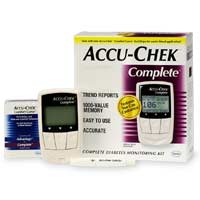
Diabetes Supply: Accu-Chek Complete Complete Diabetes Monitoring Kit

Accu-Chek Complete Complete Diabetes Monitoring Kit Product Information

Accu-Check Compass Software Included
Accu-Chek™ Comfort Curve™ Test Strips and Control Solutions sold separately.

Total Diabetes Management System

  • Easy to Identify Patterns
  • 1000-Value Memory with Averages

Contents:

Bonus! Accu-Chek Compass Software and Cable Included:

  • Accu-Chek Compass Diabetes Software lets you further analyze results with your home computer. So you can make better decisions.
  • Show Trends and Averages. You can see patterns at a glance.

Quality Guarantee
With a 30 day money back guarantee and a 3 year warranty. (see package for details)

Made in the U.S.A.

Diabetes Supply: Accu-Chek Instant Plus Dual Testing System for Glucose & Cholesterol

Accu-Chek Instant Plus Dual Testing System for Glucose & Cholesterol Product Information

This monitor can only be used with the following items (not included).
  • Accu-Chek Instant Plus Cholesterol Control Solutions
  • Accu-Chek Instant Plus Test Strips For Total Cholesterol in Whole Blood

The Only Glucose and Cholesterol Test Available.

Glucose- Fastest test results! 12 second accuracy.
Cholesterol- Total cholesterol results in just 3 minutes.

Contents:

  • Accu-Chek InstantPlus Monitor
  • User's Manual
  • Quick Reference Card
  • Troubleshooting Guide
  • Warranty Card and Batteries

Directions:

For complete operating procedure, see the Accu-Chek InstantPlus User's Manual.

Warnings:

Do not freeze.
Store at room temperature.
For In Vitro diagnostic use.

Available at Drugstore.com.

Diabetes Supply: Medi-Jector Vision Needle-Free Insulin Injection System


Medi-Jector Vision Needle-Free Insulin Injection System Product Information:

Take Your Insulin Injections Without Using Needles!

  • Simple--just dial up the dosage and inject.
  • Comfortable--no needle and a quick injection.
  • Reliable--because you can clearly see the dose.

Includes the following:

  • Medi-Jector Vision Injector
  • Injection Supply Start-up Kit
  • Carrying Case
  • Instruction Manual
  • Training Video
  • Toll-free Helpline Phone Number.

Medi-Jector Vision is the needle-free way to a more independent lifestyle for people who take insulin. This advanced injection system uses disposable Needle-Free Syringes that allow easy viewing of the full insulin dose in the tip.

Indications:

Medi-Jector Vision
can be used with all brands of U-100 insulin in standard 10 ml vials.

Directions:

The Medi-Jector Vision system is simple to use in three steps. Simply fill the Needle-Free Syringe with insulin. then hold the Medi-Jector Vision perpendicular to the injection site and inject. Finally, turn the winding grip to prepare the system for the next injection.

Warnings:
  • Store and use between 50 and 85 degrees F.
  • For insulin use only.
Customer Reviews of the Medi-Jector Vision Needle-Free Insulin Injection System


Medi-Jector Vision Needle-Free Insulin Injection System rates 5 out of 5 stars, from 7 customer reviews. I have used this system for about 2 years. It was very easy to learn to use. The sensation is different than with a needle. I would recommend it to anyone who takes insulin shots.
-- W. Michael H, Williamston, NC on June 3, 2004
Medi-Jector Vision Needle-Free Insulin Injection System rates 5 out of 5 stars, from 7 customer reviews. I have been using the Vision for over 2 years and I absolutely love it. I could never go back to using syringes or pre-filled pens now. The lack of needles makes this device safer and easier to use. I also don't get black and blue marks anymore. I used to have the model before this one where you had to boil the metal tip every month or so. But now with the plastic, disposable tips, its even easier to use! I definitely recommend this to all the insulin-dependent diabetics out there.
-- Anthony S, Bridgeport, CT on October 20, 2003
Medi-Jector Vision Needle-Free Insulin Injection System rates 5 out of 5 stars, from 7 customer reviews. I had trouble getting started, getting it all put together. But once I mastered that, it was wonderful. I really enjoy not having to use a needle. I used to have black and blue marks all over. Now I don't. I recommended it to my best friend, who's also diabetic.
-- Iris H, Saltillo, TN on July 11, 2000
Medi-Jector Vision Needle-Free Insulin Injection System rates 5 out of 5 stars, from 7 customer reviews. This is an exceptional product. I was completely surprised at how easy this was to learn to use. The instruction video was very helpful and very detailed. I didn't feel like I needed to ask questions after I watched the video and read the manual. This product is so great -- no more having to buy needles. And I know that my dose is right! It's wonderful. I can't say enough good things about this product. It's the best thing they've come out with in a long time. Please -- if you're insulin dependent, this is a must-have product. I'd highly recommend this to my family and have already told a friend about it.
-- Karen D, L.ake Havasu City, AZ on July 5, 2000
Medi-Jector Vision Needle-Free Insulin Injection System rates 5 out of 5 stars, from 7 customer reviews. I really liked the training video -- it was immensely helpful in using the injector. The training adapter helped me get used to handling the injector and comfortable with it. The feel of the injections took some getting used to, as it was vastly different than using needles. The only drawback was the need to get different insulin to use in it. I'd recommend this to new diabetics. I think it'd be easier to get started with this injector than to switch to it and have a lot of insulin around that you can't use.
-- Amelia D, Portland, OR on July 1, 2000
Medi-Jector Vision Needle-Free Insulin Injection System rates 5 out of 5 stars, from 7 customer reviews. It was very easy to load the insulin, inject it, and reset the system for the next use. There's much less discomfort than a needle, but you should still be prepared for a sensation. After the initial cost of the unit, the price of replacement needle-free syringes is very close to the cost of a box of ultrafine syringes. However, in my opinion, there's much less waste, better ease of use, and less discomfort with the Medi-Jector. I'm very happy with the Medi-Jector and will continue to use it.
-- Kimberly, Bend, OR on June 28, 2000
Medi-Jector Vision Needle-Free Insulin Injection System rates 3 out of 5 stars, from 7 customer reviews. I liked the opportunity to Test Drive this product. I, however, found this to be somewhat complicated to use. It comes with an instructional video that helped somewhat, but it took quite some getting used to compared with the traditional needle injection. I plan on practicing and using it more.
-- christine p, coggon, IA on June 28, 2000


Available at

Diabetes Test: Accu-Chek Advantage Voicemate System, Accu-Chek Advantage Blood Glucose Monitor and Voice Unit

Accu-Chek Advantage Voicemate System, Accu-Chek Advantage Blood Glucose Monitor and Voice Unit Product Information:


System Includes Voice Unit and Blood Glucose Monitor.

For the Blind and Visually Impaired..

  • Clear, Step-by-Step Voice Guide
  • Touchable Test Strips
  • Easy-to-Use, Portable
  • No Cleaning Required
  • Lilly Brand Insulin Identification

Everything you need to start testing blood glucose

  • Voice Unit (Battery Included)
  • Accu-Chek Advantage Blood Glucose Monitor (Batteries Included)
  • 10 Accu-Chek Comfort Curve Test Strips with Code Key
  • Adjustable Accu-Chek Softclix Lancet Device and 10 Lancets
  • Accu-Chek Comfort Curve Control Solution
  • Chek Strip
  • Insulin Check Vial
  • Step-by-Step Instructional Audio Tapes (English & Spanish)
  • User's Manual and Quick Reference Guide (English & Spanish)
  • Earphone
  • AC Adapter
  • Carrying Case
  • Warranty Information
Quality GuaranteeWith a 30-day money-back guarantee and a 3-year warranty.

Made in Germany by Boehringer Mannheim Corporation

Indications:
For testing glucose in whole blood.
For in vitro diagnostic use.

Directions:
Simple Steps

Blood Test

  1. With monitor turned on, insert test strip.
  2. Apply blood and listen for results in 40 seconds.
Insulin Identification

  1. With system turned on, press Reader button.
  2. Insert insulin vial and turn until you hear voice guide.
  3. Turn vial in other direction and listen for insulin type.

Diabetes Supply: Medi-Jector Vision Needle-Free Syringe Kit A

Product Description
spikes on adapters are plastic

Medi-Jector Vision is the needle-free way to a more independent lifestyle for people who take insulin.


Indications:

  • Medi-Jector Vision can be used with all brands of U-100 insulin in standard 10 ml vials.
  • Needle-Free Syringes can be used for up to 21 injections and then must be replaced.
Directions:

Please review the Medi-Jector Vision instruction manual before ordering replacement Needle-Free Syringe kits. Replacement Needle-Free Syringes and vial adapters are necessary for use of Medi-Jector Vision. Needle-Free Syringes are available in three different versions (A, B, and C). Consult your instruction manual for directions on selecting the appropriate version before ordering.

Diabetes Recipe: Chili Mac

To boost the fiber in this recipe, try wholewheat pasta, found in many grocery and health food stores.
Number of Servings: 4
Serving Size: 1 cup chili and 3/4 cup cooked pasta
Ingredients
Name Measure Weight
Turkey Chili 4 cup ---
cooked elbow macaroni (about 1 1/2 cups uncooked macaroni) 3 cup ---

Preparation Instructions
1 Mix pasta and Turkey Chili and serve.

Exchanges Per Serving


3 Starch
2 Lean Meat
1 Vegetable

Nutrition Information


Amount per serving
Calories 374
Calories From Fat 67
Total Fat 7 g
Saturated Fat 2 g
Cholestrol 47 mg
Sodium 558 mg*
Total Carbohydrate 53 g
Dietary Fiber 8 g
Sugars 8 g
Protein 24 g

* Not appropriate for low sodium diets.


This recipe is from Healthy Calendar Diabetic Cooking. This remarkable book provides the perfect combination of easy and elegant recipes so you have the widest range of choices for making quick, tasty meals every day. Healthy Calendar Diabetic Cooking was written by a winning chef-dietitian team, bringing you truly delicious food with clear, easy-to-follow instructions. Included are daily menus and complete shopping lists for every week--and recipes to celebrate the foods that make each season of the year special. You couldn't ask for a better companion in the kitchen.

Diabetes Recipe: Fruit Popsicles

Preparation time: 5 minutes

Number of Servings: 6
Serving Size: 1 popsicle (1/2 cup)
Ingredients
Name Measure Weight
white grape juice 1 1/2 cups ---
red grape juice 1 1/2 cups ---
lemon juice 2 Tbsp ---

Preparation Instructions
1 Mix all ingredients.
2 Pour into popsicle molds. Insert wooden or plastic popsicle sticks.
3 Freeze until firm.

Exchanges Per Serving


1-1/2 Fruit

Nutrition Information


Amount per serving
Calories 78
Calories From Fat 1
Total Fat 0 g
Saturated Fat 0 g
Cholestrol 0 mg
Sodium 5 mg*
Total Carbohydrate 19 g
Dietary Fiber 0 g
Sugars 11 g
Protein 1 g

* Not appropriate for low sodium diets.

(Source: www.diabetes.org)

Complications of Diabetes in the United States

Statistics on Diabetes from the American Diabetes Association. For more information, visit www.diabetes.org.

Diabetes is associated with an increased risk for a number of serious, sometimes life-threatening complications and certain populations experience an even greater threat. Good diabetes management can help reduce your risk. However many people are not even aware that they have diabetes until they develop one of its complications.

Heart disease and stroke

  • Heart disease and stroke account for about 65% of deaths in people with diabetes.

  • Adults with diabetes have heart disease death rates about 2 to 4 times higher than adults without diabetes.

  • The risk for stroke is 2 to 4 times higher and the risk of death from stroke is 2.8 times higher among people with diabetes.

In women with diabetes, deaths from heart disease have increased 23 percent over the past 30 years compared to a 27 percent decrease in women without diabetes. Deaths from heart disease in men with diabetes have decreased by only 13 percent compared to a 36 percent decrease in men without diabetes.

High blood pressure

  • About 73% of adults with diabetes have blood pressure greater than or equal to 130/80 millimeters of mercury (mm Hg) or use prescription medications for hypertension.

Blindness

  • Diabetic retinopathy causes 12,000 to 24,000 new cases of blindness each year making diabetes the leading cause of new cases of blindness in adults 20-74 years of age.

  • In people with type 1 diabetes, therapy that keeps blood glucose levels as close to normal as possible reduces damage to the eyes by 76% (New England Journal of Medicine, September 30, 1993). Experts believe that these results can also be applied to those with type 2 diabetes.

Mexican Americans are almost twice as likely and non-Hispanic blacks are almost 50% as likely to develop diabetic retinopathy as non-Hispanic whites.

Kidney disease

  • Diabetes is the leading cause of kidney failure, accounting for 44% of new cases in 2002.

  • In 2002, 44,400 people with diabetes began treatment for end-stage renal disease (ESRD).

  • In 2002, a total of 153,730 people with ESRD due to diabetes were living on chronic dialysis or with a kidney transplant.

  • In people with type 1 diabetes, therapy that keeps blood glucose levels as close to normal as possible reduces damage to the kidneys by 35% to 56% (New England Journal of Medicine, September 30, 1993). Experts believe that these results can also be applied to those with type 2 diabetes.

Non-Hispanic blacks are 2.6 to 5.6 times as likely to suffer from kidney disease with more than 4,000 new cases of ESRD each year. Mexican Americans are 4.5 to 6.6 times more likely and American Indians are 6 times more likely to suffer from kidney disease.

Nervous system disease

  • About 60% to 70% of people with diabetes have mild to severe forms of nervous system damage. The results of such damage include impaired sensation or pain in the feet or hands, slowed digestion of food in the stomach, carpal tunnel syndrome, and other nerve problems.

  • Almost 30% of people with diabetes aged 40 years or older have impaired sensation in the feet (i.e., at least one area that lacks feeling).

  • Severe forms of diabetic nerve disease are a major contributing cause of lower-extremity amputations.

Amputations

  • More than 60% of nontraumatic lower-limb amputations occur in people with diabetes.

  • In 2002, about 82,000 nontraumatic lower-limb amputations were performed in people with diabetes.

  • The rate of amputation for people with diabetes is 10 times higher than for people without diabetes.

Mexican Americans are 1.8 times as likely, non-Hispanic Blacks are 2.7 times as likely, and American Indians are 3 to 4 times as likely to suffer from lower-limb amputations.

Amputation rates are 1.4 to 2.7 times higher in men than women with diabetes.

Dental disease

  • Periodontal (gum) disease is more common in people with diabetes. Among young adults, those with diabetes have about twice the risk of those without diabetes.

  • Almost one-third of people with diabetes have severe periodontal disease with loss of attachment of the gums to the teeth measuring 5 millimeters or more.

Complications of pregnancy

  • Poorly controlled diabetes before conception and during the first trimester of pregnancy can cause major birth defects in 5% to 10% of pregnancies and spontaneous abortions in 15% to 20% of pregnancies.

  • Poorly controlled diabetes during the second and third trimesters of pregnancy can result in excessively large babies, posing a risk to both mother and child.

Sexual Dysfunction

  • Men with diabetes are 2 times as likely to experience erectile dysfunction as men without diabetes.

  • Women with type 1 diabetes are twice as likely to experience prevalence of sexual dysfunction compared with women without diabetes.

Other complications

  • Uncontrolled diabetes often leads to biochemical imbalances that can cause acute life-threatening events, such as diabetic ketoacidosis and hyperosmolar (nonketotic) coma.

  • People with diabetes are more susceptible to many other illnesses and, once they acquire these illnesses, often have worse prognoses. For example, they are more likely to die with pneumonia or influenza than people who do not have diabetes.

Preventing diabetes complications


Diabetes can affect many parts of the body and can lead to serious complications such as heart disease, blindness, kidney damage, and lower-limb amputations. Working together, people with diabetes and their health care providers can reduce the occurrence of these and other diabetes complications by controlling the levels of blood glucose, blood pressure, and blood lipids, and by receiving other preventive care practices in a timely manner.

Glucose control

  • Studies in the United States and abroad have found that improved glycemic control benefits people with either type 1 or type 2 diabetes. In general, every percentage point drop in A1C blood test results (e.g., from 8.0% to 7.0%) reduces the risk of microvascular complications (eye, kidney, and nerve diseases) by 40%.

Blood pressure control

  • Blood pressure control reduces the risk of cardiovascular disease (heart disease or stroke) among persons with diabetes by 33% to 50%, and the risk of microvascular complications (eye, kidney, and nerve diseases) by approximately 33%.

  • In general, for every 10 mm Hg reduction in systolic blood pressure, the risk for any complication related to diabetes is reduced by 12%.

Control of blood lipids

  • Improved control of cholesterol or blood lipids (for example, HDL, LDL, and triglycerides) can reduce cardiovascular complications by 20% to 50%.

Preventive care practices for eyes, kidneys, and feet

  • Detecting and treating diabetic eye disease with laser therapy can reduce the development of severe vision loss by an estimated 50% to 60%.

  • Comprehensive foot care programs can reduce amputation rates by 45% to 85%.

  • Detecting and treating early diabetic kidney disease by lowering blood pressure can reduce the decline in kidney function by 30% to 70%. Treatment with ACE inhibitors and angiotensin receptor blockers (ARBs) are more effective in reducing the decline in kidney function than other blood pressure lowering drugs.

Information from the American Diabetes Association: The Genetics of Diabetes

For more information, visit Diabetes.org:

You've probably wondered how you got diabetes. You may worry that your children will get it too.

Unlike some traits, diabetes does not seem to be inherited in a simple pattern. Yet clearly, some people are born more likely to get diabetes than others.

What leads to diabetes?


Type 1 and type 2 diabetes have different causes. Yet two factors are important in both. First, you must inherit a predisposition to the disease. Second, something in your environment must trigger diabetes.

Genes alone are not enough. One proof of this is identical twins. Identical twins have identical genes. Yet when one twin has type 1 diabetes, the other gets the disease at most only half the time. When one twin has type 2 diabetes, the other's risk is at most 3 in 4.

Type 1 diabetes


In most cases of type 1 diabetes, people need to inherit risk factors from both parents. We think these factors must be more common in whites because whites have the highest rate of type 1 diabetes. Because most people who are at risk do not get diabetes, researchers want to find out what the environmental triggers are.

One trigger might be related to cold weather. Type 1 diabetes develops more often in winter than summer and is more common in places with cold climates. Another trigger might be viruses. Perhaps a virus that has only mild effects on most people triggers type 1 diabetes in others.

Early diet may also play a role. Type 1 diabetes is less common in people who were breastfed and in those who first ate solid foods at later ages.

In many people, the development of type 1 diabetes seems to take many years. In experiments that followed relatives of people with type 1 diabetes, researchers found that most of those who later got diabetes had certain autoantibodies in their blood for years before.

(Antibodies are proteins that destroy bacteria or viruses. Autoantibodies are antibodies 'gone bad,' which attack the body's own tissues.)

Type 2 diabetes


Type 2 diabetes has a stronger genetic basis than type 1, yet it also depends more on environmental factors. Sound confusing? What happens is that a family history of type 2 diabetes is one of the strongest risk factors for getting the disease but it only seems to matter in people living a Western lifestyle.

Americans and Europeans eat too much fat and too little carbohydrate and fiber, and they get too little exercise. Type 2 diabetes is common in people with these habits. The ethnic groups in the United States with the highest risk are African Americans, Mexican Americans, and Pima Indians.

In contrast, people who live in areas that have not become Westernized tend not to get type 2 diabetes, no matter how high their genetic risk.

Obesity is a strong risk factor for type 2 diabetes. Obesity is most risky for young people and for people who have been obese for a long time.

Gestational diabetes is more of a puzzle. Women who get diabetes while they are pregnant are more likely to have a family history of diabetes, especially on their mothers' side. But as in other forms of diabetes, nongenetic factors play a role. Older mothers and overweight women are more likely to get gestational diabetes.

Type 1 diabetes: your child's risk


In general, if you are a man with type 1 diabetes, the odds of your child getting diabetes are 1 in 17. If you are a woman with type 1 diabetes and your child was born before you were 25, your child's risk is 1 in 25; if your child was born after you turned 25, your child's risk is 1 in 100.

Your child's risk is doubled if you developed diabetes before age 11. If both you and your partner have type 1 diabetes, the risk is between 1 in 10 and 1 in 4.

There is an exception to these numbers. About 1 in every 7 people with type 1 diabetes has a condition called type 2 polyglandular autoimmune syndrome.

In addition to having diabetes, these people also have thyroid disease and a poorly working adrenal gland. Some also have other immune system disorders. If you have this syndrome, your child's risk of getting the syndrome including type 1 diabetes is 1 in 2.

Researchers are learning how to predict a person's odds of getting diabetes. For example, most whites with type 1 diabetes have genes called HLA-DR3 or HLA-DR4.

If you and your child are white and share these genes, your child's risk is higher. (Suspect genes in other ethnic groups are less well studied. The HLA-DR7 gene may put African Americans at risk, and the HLA-DR9 gene may put Japanese at risk.)

Other tests can also make your child's risk clearer. A special test that tells how the body responds to glucose can tell which school-aged children are most at risk.

Another more expensive test can be done for children who have siblings with type 1 diabetes. This test measures antibodies to insulin, to islet cells in the pancreas, or to an enzyme called glutamic acid decarboxylase. High levels can indicate that a child has a higher risk of developing type 1 diabetes.

Type 2 diabetes: your child's risk


Type 2 diabetes runs in families. In part, this tendency is due to children learning bad habits eating a poor diet, not exercising--from their parents. But there is also a genetic basis.

In general, if you have type 2 diabetes, the risk of your child getting diabetes is 1 in 7 if you were diagnosed before age 50 and 1 in 13 if you were diagnosed after age 50.

Some scientists believe that a child's risk is greater when the parent with type 2 diabetes is the mother. If both you and your partner have type 2 diabetes, your child's risk is about 1 in 2.

People with certain rare types of type 2 diabetes have different risks. If you have the rare form called maturity-onset diabetes of the young (MODY), your child has almost a 1-in-2 chance of getting it, too.

More Information on Genetics

If you would like to learn more about the genetics of all forms of diabetes, the National Institutes of Health has recently published The Genetic Landscape of Diabetes. This free online book provides an overview of the current knowledge about the genetics of type 1 and type 2 diabetes, as well other less common forms of diabetes. The book is written for health professionals and for people with diabetes interested in learning more about the disease.

Article: Americans need more help managing diabetes, experts say

A great article on managing diabetes from CNN.com:

WASHINGTON (Reuters) -- U.S. patients and doctors alike show a surprising level of ignorance about diabetes and are not doing nearly enough to manage the condition, diabetes experts said Wednesday.

A survey found that although patients believe they understand diabetes, they are not doing what they need to do to control it, and their doctors are unable to help much.

A team approach that would add nurses, diabetes educators and pharmacists to the mix might work better, they suggested.

"Diabetes prevalence has almost doubled since 1980 in America," Dr. Sethu Reddy of the Cleveland Clinic in Ohio and of the American Association of Clinical Endocrinologists told a news conference.

Nearly 21 million people in the United States have diabetes, according to the U.S. Centers for Disease Control and Prevention, with type 2 diabetes accounting for up to 95 percent of the cases. The CDC says an additional 41 million have pre-diabetes.

Type 2 diabetes develops as a result of diet, exercise and genetic components. Type 1, or juvenile diabetes, is an autoimmune disease in which the insulin-producing cells in the pancreas are destroyed by the body.

Type 2 diabetes can be prevented or managed with careful diet, regular exercise and in some cases with drugs.

Reddy and colleagues held a meeting they called the Diabetes Roundtable and agreed that for various reasons type 2 diabetes is not managed properly.

"We all agreed that the future of good diabetes care will not rely on a single doctor," he said. "Realistically, one doctor can't do everything for a patient."

Insurers, Medicare and other payers will often cover visits to a nurse or a diabetes educator, who can work more closely and personally with a patient, but patients need to know to ask for this care, and primary care doctors need to know to refer patients, Reddy said.

Not connecting the dots

The endocrinologists' group and the American Association of Diabetes Educators commissioned a Harris poll of 780 patients and more than 400 primary care physicians.

The findings suggest a "disconnect" between what patients know and what they actually do, said Donna Rice of the educators' association.

For instance, 69 percent of the patients said they felt knowledgeable about managing their condition. But 81 percent of the doctors said they were frustrated with the number of their type 2 diabetes patients who did not follow their treatment regimens.

Half of patients surveyed showed little or no understanding of their A1C level -- a measure of a protein that can indicate how well their blood sugar has been controlled for the past three months.

And 59 percent of patients admitted their diabetes was somewhat or not at all well-controlled.

"It's like knowledge doesn't equate to behavior change," said Rice, a registered nurse and wellness program manager at Botsford General Hospital in Novi, Michigan.

The doctors also showed they do not fully understand diabetes, according to the survey.

The majority of the primary care physicians surveyed -- 78 percent -- said insulin resistance is the most important contributor to progression of type 2 diabetes.

Yet the experts said the insulin-producing beta cells are progressively damaged in type 2 diabetes and that this process may be a more important factor than insulin resistance.

"This suggests that primary care physicians do not consistently focus on how beta cells in the pancreas work," Reddy said.

Diabetes is the sixth leading cause of death in the United States and patients have a high risk of heart disease, kidney disease, blindness and nerve damage.

Worldwide more than 194 million people have diabetes.

Article: Experts: Half of Americans risk diabetic condition

A great article from CNN.com:


WASHINGTON (Reuters) -- Poor control of blood sugar may be a much bigger health risk factor than most people realize, experts told a meeting on Monday.

One study predicted that half of all Americans will develop a condition known as insulin resistance, a type of pre-diabetes that puts them at high risk of heart attacks, and another showed that high blood sugar alone made hospital patients much more likely to die of other conditions.

The studies, presented to a meeting of the American Diabetes Association, show that early symptoms of diabetes and heart disease must be treated aggressively, experts said.

These symptoms are often defined as the "metabolic syndrome" -- an aggregate of risk factors such as obesity, high cholesterol and other symptoms.

"If we could just detect and treat the metabolic syndrome ... we could reduce heart attacks in this country by 63 percent," said Dr. David Eddy of Archimedes Inc., a company that makes computer-based analysis and decision-making tools.

Curing insulin resistance alone would reduce heart attacks by 42 percent, Eddy told a news conference.

Normal blood glucose levels are 70 to 110 mg/dl, and anything higher is often considered insulin resistance or impaired fasting glucose.

Eddy's company is working on a computer program that would help doctors predict which heart risk factors are the most important for their individual patients.

Nearly 21 million Americans have diabetes, most of them Type-2 diabetes. But the National Institutes of Health last month estimated that a third of these people do not know it.

"We found that people with pre-diabetes clearly have an excess of cardiovascular risk factors," Dr. Desmond Williams, a diabetes expert at the U.S. Centers for Disease Control and Prevention told the news conference.

His team examined interviews taken as part of an annual national health survey. Of the 3,000 healthy adults aged 20 to 75, 28 percent had pre-diabetes, he said -- defined as having fasting blood glucose levels of between 100 and 125 mg/dl.

Dr. Mercedes Falciglia of the University of Cincinnati College of Medicine in Ohio found that non-diabetic patients with high blood sugar who also suffered a heart attack, stroke or chest pain were much more likely to die than other patients with the same conditions.

Her team studied 216,000 severely ill patients admitted to 177 Veterans Affairs intensive care units.

Falciglia's team defined hyperglycemia as blood sugar levels of 111 or higher. Hyperglycemia raised the risk of heart attack death by up to five times and the risk of death from stroke as much as 15-fold, she told the meeting.

"All patients should have their blood glucose levels monitored when they are admitted to an intensive care unit because hyperglycemia occurs in one-third of ICU patients," Falciglia said.

The CDC's Dr. Venkat Narayan and colleagues looked at a person's lifetime risk of diabetes based on weight. "The average lifetime risk for diabetes for a normal weight male aged 18 years is 20 percent," Narayan said.

This increased to 57 percent for an obese male and 70 percent for a very obese male. The numbers are similar for females.

In the United states, more than 60 percent of the population is overweight and 30 percent is obese.

The Diabetes Association's Dr. Robert Rizza said diet and exercise is the place to start controlling this.

"But in the meantime don't tolerate high blood (cholesterol), high blood glucose," Rizza said. He said drugs should be used to control these in people who cannot or will not lower them with diet and exercise.

Men's Diabetic Shoes: InStride Melbourne Hook and Loop

Men's Sizes: 8, 8.5, 9, 9.5, 10, 10.5, 11, 11.5, 12, 13
Width: Medium (D), Wide (2E), Extra Wide (4E)
Color: Black
Price: $88.95
Shipping: Free from Zappos

Diabetic Shoes - InStride Melbourne Hook and Loop - Product Information

  • The Melbourne offers the classic look and comfort of genuine full grain leather.
  • Generous toe box will accommodate a variety of foot shapes.
  • Custom Fit System™ with 3 removable insoles allows for a custom fit for each foot.
  • Airstride™ EVA cushion in the heel and at flex points in forefoot add extra impact protection, shock absorption, and comfort.
  • Outsole is made of lightweight polyurethane with a non-skid bottom.
  • Great for diabetics, hammertoes, bunions and accommodates new "k" coded inserts or custom orthotics.
  • 68% of Fit Survey respondents said this shoe "Felt true to size".
  • 88% of Fit Survey respondents said this shoe "Felt true to width".
  • 80% of Fit Survey respondents said this shoe had "Excellent arch support".

Customer Reviews of InStride Melbourne Hook and Loop Diabetic Shoes

2006-03-17 16:32:19
Instride Melbourne Hook and Loop
Reviewer: Doug D from Sourthern California

So comfortable- This shoe is so comfortable that I am going to order another pair, but half size smaller. These are like wearing a glove on your foot. Truly a wonderful shoe.

2006-03-13 12:29:00 Instride Melbourne Hook and Loop
Reviewer: Anonymous from Cyoress, Ca

I purchased these shoes for my father, who wears a brace. The multiple sole inserts were perfect to accomadate the brace and build up his opposite foot. Also give great stability and support.

2005-12-29 20:22:33
Instride Melbourne Hook and Loop
Reviewer: Nancy from Virginia

Terrific shoes! I bought these shoes as a Christmas gift to my father who is a diabetic. We have been looking for a REAL comfort shoes designed for diabetics and those with walking problems. My father LOVED the shoes! Zappos is, as always, terrific!

Men's Diabetic Shoes: InStride Newport Hook & Loop

Men's Sizes: 8, 8.5, 9, 9.5, 10, 10.5, 11, 11.5, 12, 13
Width: Medium, Wide (W), Extra Wide (WW)
Color: Black, White
Price: $93.95
Shipping: Free from Zappos

Diabetic Shoes - Instride Newport Hook & Loop - Product Information

  • The Newport is the culmination of all things necessary for an active lifestyle.
  • This attractive walker combines style and technology.
  • This shoe boasts the finest full grain leather as well as InStride’s 3-Layer Custom Fit System™ (CFS™), allowing for the perfect fit for everyone.
  • Whether you require a diabetic insert or you are a serious fitness walker who requires an orthotic device, the extra volume in this shoe will accommodate whatever you put in it.
  • Built on a sturdy CMEVA midsole, the Newport promises to provide a stable platform for countless miles of walking.
  • Genuine full grain leather upper.
  • Easy hook and loop closure.
  • Custom Fit System™ with 3 removable insoles.
  • Seamless inner design.
  • Slip resistant rubber outsole.
  • Stride Guide™ bisects outsole and midsole to provide lateral and medial stability as well as shank support.
  • Sure Flex grooves in outsole allow for optimal flexibility.
  • Pre-molded counter for added stability in the heel area.
  • 100% of Fit Survey respondents said this shoe "Felt true to size".
  • 100% of Fit Survey respondents said this shoe "Felt true to width".
  • 100% of Fit Survey respondents said this shoe had "Excellent arch support".

Customer Reviews of the Instride Newport Hook & Loop Diabetic Shoes


2006-06-14 08:47:37 Instride Newport Hook & Loop
Reviewer: Tom D from Rochester, NY

WOW!! These Are GREAT!!! I can't say too much about the Instride Newport Hook & Loop Walking Shoe. I've been looking for a shoe that fits and has the velcro closure and this is the one. Their unique system of graduated in-steps gave me the additional room I needed during the break-in period. I removed the two in-step inserts (3 and 4 mm) for several days until the shoe loosened up. I then put the 4 mm back in for 2 more days and then put the 3 mm back in. The shoe fits great and I could wear them all day without a pinched nerve or corn. Now if they only came in Bone or Tan! Kudos to the company for making them and Kudos to Zappos for stocking them!

Men's Diabetic Shoes: InStride Melbourne Lace

Men's Size: 8, 8.5, 9, 9.5, 10, 10.5, 11, 11.5, 12, 13
Width: Medium (D), Wide (2E), Wide (W), Extra Wide (4E), Extra Wide (XW)
Color: Black, Bone (Off White)
Price: $88.95
Shipping: Free from Zappos

Diabetic Shoes - Instride Melbourne Lace - Product Information
  • The Melbourne offers the classic look and comfort of genuine full grain leather.
  • Generous toe box will accommodate a variety of foot shapes.
  • Custom Fit System™ with 3 removable insoles allows for a custom fit for each foot.
  • Airstride™ EVA cushion in the heel and at flex points in forefoot add extra impact protection, shock absorption, and comfort.
  • Outsole is made of lightweight polyurethane with a non-skid bottom.
  • Great for diabetics, hammertoes, bunions and accommodates new "k" coded inserts or custom orthotics.
Customer Reviews of the InStride Melbourne Lace Diabetic Shoes

2005-09-04 19:10:20 Instride Melbourne Lace
Reviewer: Mike G from Birmingham, AL

Comfort shoe - This shoe has been helpful. It has relieved the pressure points which was the source of my pain. They were easy to wear from the first day. Very little break in time. I have already recommended this shoe to my friends. I received my order very fast. Thanks for your help. Mike G.

Women's Diabetic Shoes: Instride Nellie

Women's Sizes: 6, 6.5, 7, 7.5, 8, 8.5, 9, 9.5, 10, 11
Width: Medium (B), Wide (D), Extra Wide (2E)
Color: Black Leather, Taupe (Brown) Leather
Price: $88.95
Shipping: Free from Zappos

Diabetic Shoes - Instride Nellie - Product Information

  • The Nellie is a classic "Mary Jane" style shoe utilizing comfort, function and fit.
  • Leather uppers.
  • Airstride™ EVA cushion in the heel and the flex points in footbed add additional impact protection, shock absorption, and comfort.
  • Two flat removable fillers allow for double depth fitting. Seamless inside lining provides great feel and function for sensitive feet.
  • Outsole is made of non-skid rubber.
  • Great for diabetics or those with therapeutic shoe needs.
  • Accommodates new "K" coded inserts or custom orthotics.
  • 68% of Fit Survey respondents said this shoe "Felt a full size smaller than marked".
  • 88% of Fit Survey respondents said this shoe "Felt true to width".
  • 85% of Fit Survey respondents said this shoe had "Moderate arch support".

Customer Reviews of the Instride Nellie Diabetic Shoes

2006-05-16 05:27:00 Instride Nellie
Reviewer: Anonymous from WI

Great for foot issues - I needed inserts made for my high insteps and wide feet. I am not a big athletic shoe wearer and need something fun and practical for work. These worked great for all.

Women's Diabetic Shoes: Instride Malibu


Women's Sizes: 5.5, 6, 6.5, 7, 7.5, 8, 8.5, 9, 9.5, 10, 11
Width: M, W, WW
Color: Black, White
Price: $88.95
Shipping: Free freom Zappos

Diabetic Shoes - Instride Malibu - Product Information:

  • A stylish and casual walker with the ability to meet the medical needs of many patients.
  • The Malibu was developed with a focus on the biomechanics of the female foot.
  • Genuine full grain leather upper.
  • Custom Fit System™ with 3 removable insoles.
  • Seamless inner design.
  • Tylite gel heel pad.
  • STRIDELITE midsole for lightweight comfort.
  • InDurance outsole provides high abrasion/high mileage durability.
  • Trampoline Action innersole reciprocates energy expended on each step and promotes forward motion.
  • Shank support for stability.
  • Pre-molded counter for added stability in the heel area.
  • Slip resistant rubber outsole.
  • 50% of Fit Survey respondents said this shoe "Felt true to size".
  • 100% of Fit Survey respondents said this shoe "Felt true to width".
  • 50% of Fit Survey respondents said this shoe had "Moderate arch support".

Women's Diabetic Shoes: Instride Newport

Women's Sizes: 6, 6.5, 7, 7.5, 8, 8.5, 9, 9.5, 10, 11
Width: M, W, WW
Color: Black, White
Price: $93.95
Shipping: Free from Zappos

Instride Newport Description:
  • The Newport is the culmination of all things necessary for an active lifestyle.
  • This attractive walker combines style and technology.
  • This shoe boasts the finest full grain leather as well as InStride’s 3-Layer Custom Fit System™ (CFS™), allowing for the perfect fit for everyone.
  • Whether you require a diabetic insert or you are a serious fitness walker who requires an orthotic device, the extra volume in this shoe will accommodate whatever you put in it.
  • Built on a sturdy CMEVA midsole, the Newport promises to provide a stable platform for countless miles of walking.
  • Genuine full grain leather upper.
  • Custom Fit System™ with 3 removable insoles.
  • Seamless inner design.
  • Slip resistant rubber outsole.
  • Stride Guide™ bisects outsole and midsole to provide lateral and medial stability as well as shank support.
  • Sure Flex grooves in outsole allow for optimal flexibility.
  • Pre-molded counter for added stability in the heel area.

Book: Diabesity : The Obesity-Diabetes Epidemic That Threatens America--And What We Must Do to Stop It (Hardcover)


Available at Amazon.com

Editorial Reviews

Amazon.com
Just as Fast Food Nation appalled thousands of readers into boycotting McDonalds and its ilk, one can hope that Diabesity might galvanize the public to help prevent a mind-bogglingly huge epidemic from snowballing. Type II diabetes used to be a disease of the elderly; in 1997, the American Diabetes Association decided to do away with the term "adult-onset diabetes," as it increasingly appeared in middle-aged patients, young adults, and teens. It's now appearing in obese children, and affects nearly 10 percent of the American population;[p. 13] what's most unbelievable is that its prevalence nearly doubled between 1990 and 2002, and shows no signs of abating, as every overweight American--that's 64 percent of the population--is at elevated risk.

Diabesity will likely petrify anyone recently diagnosed with diabetes into scrupulously monitoring their blood-sugar level, with frightening stories of blindness, heart attacks, kidney failure, gangrene, impotence in males, and infertility in females, and other side effects from diabetics' elevated blood sugar. Dr. Kaufman gets a little full of herself when she describes audiences—from school boards to World Health Organization assemblies—going wild after her speeches on diabetes. But as a pediatric endocrinologist since the 1970s, she's seen first-hand the rise of the diabetes epidemic, with comatose children appearing in her Los Angeles emergency room with blood-sugar levels 10 times what's considered healthy, so high that they can't be read with present-day equipment.

Curiously absent in Diabesity is any mention of the potential link between infant formula and the later development of diabetes. But Kaufman wins points for chronicling the fight to have L.A. ban soda sales in the schools. ("Sodas are the leading source of added sugar in children's diets.") Her descriptions of the cultural and economic differences among the diabetes epidemics in China, India, and Ecuador are also intriguing. The book should be considered essential for parents, teachers, and day-care providers; it's grim reading, but that's a small sacrifice compared to a life being cut short 20 years by a largely preventable disease. --Erica Jorgensen

From Publishers Weekly

Kaufman explains the severity of the obesity/diabetes epidemic this way: "our ancient genes and our modern environment have collided," and so many adults and children are now being diagnosed with the disease that it "imperils human existence as we now know it." The author, who recently served as president of the American Diabetes Association and was instrumental in banning the sale of soda in Los Angeles schools, notes that the sharp increase in the number of diabetics in the U.S. mirrors the increased incidence of obesity (hence the word "diabesity," first used by health journalists in the late 1990s). Her first-rate, important book discusses the diagnosis of diabetes and its subsequent sequelae, the world history of both diabetes and obesity, and, most importantly, what must be done to fix the problem. Not so much a how-to for patients as a call to arms for policy makers and those in the health-care industry, the book intersperses riveting case studies that serve to accentuate the importance of "creating a new normal" mode of behavior in American culture—one that includes eating intelligently and exercising diligently. Kaufman has taken on a difficult topic, but her text is easy to understand and will be useful to many.

It's high time we declared war on diabesity!!!!, June 21, 2005
Reviewer:Paul Tognetti (Cranston, RI USA)
This is about the personal battle each and every one of us must wage with ourselves on a daily basis. Should I start my day with my favorite donut and a large cup of coffee? Do I see realize the importance of consuming at least 5 servings of fresh fruits and vegetables every day? Do I take the elevator or climb the stairs at work? Will I make time for exercise a priority? In her new book "Diabesity" author Francine Kaufman M.D, a past president of the American Diabetes Association, points out that these are among the dozens of choices each of us must make on a daily basis. She wrote "Diabesity" to present us with the cold hard facts about diabetes. It is not a pretty picture. Perhaps she will convince some of us to change our ways. She makes many simple and practical suggestions in this book. For me, the thought of possibly having to cope with this disease on a daily basis for the rest of my life is quite sombering indeed. What is even more alarming is that both of my fathers parents were afflicted with diabetes in their older years. Dr. Kaufman has gotten my attention!
But "Diabesity" is also a book about public policy. How is it that we have allowed our schools to be infiltrated by giant corporations who peddle their soft drinks and fast foods to our young people. As Dr. Kaufman points out, the National School Lunch Program, which was established in the 1950's to provide nutritious meals at a low subsidized price, has been to varying degrees augmented and in many cases supplanted by what are termed "competitive foods". I had never heard the term. "Competitive foods" compete with USDA meals and are sold at the snack line in the cafeteria and in innumerable vending machines at the schools. You might have guessed that what is being sold here is soda, snack cakes, chips, hot dogs, french fries and pizza. You get the picture. It is an outrage. Happily, as Dr. Kaufman points out, some enlightened school districts have begun to fight back. "Diabesity" also delves into a number of other public policy questions that I can report make for extremely informative reading.
Finally, Dr. Kaufman has used the pages of her book to introduce us to some of the diabetes patients she has treated over the years. She has been able to help a good many of them and has had the satisfaction of seeing many go on to lead nearly normal lives. But then there are those who she was not able to help. Dr. Kaufman allows the reader to share in a very personal way her frustrations and her sadness. It is compelling reading.
"Diabesity" will enlighten you about the realities of diabetes.
It is a book that just might change your life. It was not a book I was anxious to read but one that I felt was important to read. Highly recommended.

It will scare the French fries right out of you..., September 21, 2005
Reviewer:William E. Adams (Lovington, NM United States)
Two months ago I was told by my doc that a recent blood test showed me to be on the edge of diabetes. He suggested that I give up red meat, egg yolks, fried foods and dairy products, and eat more fruits, vegetables and salads, using soy milk for protein, etc. I did so, and last week my test results showed a retreat from the danger zone for blood sugar, and a loss of eight pounds. So I've been told to stay the course with the new eating and add some exercise. I am 60, only five-foot-seven, and weighed 240 pounds when the bad blood was sucked from my arm on June 28th. Although I am in no danger of needing insulin injections soon, as an obese white male of a certain age and sedentary habits, I am at high risk for this terrible disease of diabetes. So I got this book. It is frightening, but well-written, and well-documented, by an M.D. who really knows her stuff. After reading it, I am more afraid for my wife, adult children, and teenage daughter than for myself. If you want a book that might really push you into better eating and more activity by explaining the realities of living with diabetes, get this one.

Book: American Diabetes Association Complete Guide to Diabetes : The Ultimate Home Reference from the Diabetes Experts (Paperback)


Book Description

Everything readers ever need to know about diabetes

Perhaps the most complete and authoritative resource on diabetes, American Diabetes Association Complete Guide to Diabetes covers everything from how to manage types 1 and 2 and gestational diabetes, to traveling with insulin, sick-day action plans, and recognizing hypoglycemia.

Other contents include information on symptoms, complications, exercise and nutrition, blood sugar control, sexual issues, drug therapies, insulin regimes, and much more. Plus, information for every parent about children, schools, and day care. This updated third edition features new information on medications, diabetes management and new therapies, and new treatments for diabetes complications.

Customer Reviews

MUST HAVE FOR TYPE 1 DIABETES, March 11, 2004
Reviewer:Carol M. Bealor "cmontavon" (Granger, IN United States)
This is a great book. We use it all the time. It is easy to read and a great reference. We have a child with type 1 diabetes. This book is a must for type 1 diabetics. We are very pleased with the format and the substance of the information. GET IT!

Will prove to be of extraordinary value, February 10, 2003
Reviewer:Midwest Book Review (Oregon, WI USA)
Now in a completely revised, updated and expanded third edition, American Diabetes Association Complete Guide To Diabetes offers comprehensive and reliable information on preventing diabetes-based complications, achieving blood sugar control, handling diabetes-related emergencies, using a meter, using insulin pumps, the role of nutrition and exercise in diabetes management, sexuality and diabetes, coping with diabetes-imposed limitations, even family life, travel, insurance, and pregnancy as they are affected by diabetes. An essential, seminal, and strongly recommended addition to personal, professional, and community library reference collections, the American Diabetes Association Complete Guide To Diabetes is both "reader friendly" and invaluable in its provision of the best of self-care techniques and the latest medical breakthrough information. No matter what type of diabetes, American Diabetes Association Complete Guide To Diabetes will prove to be of extraordinary value in answering any and all diabetes-related questions, situations, and conditions.

Book: Diabetes for Dummies (Paperback)

Available at Amazon.com

Book Review - Amazon.com
"The Greeks and Romans knew about diabetes. Fortunately, the way they tested for the condition--by tasting the urine--has gone by the wayside." Diabetes for Dummies has the friendly, quirky style you expect from all the For Dummies books, but this is no skim-the-surface Diabetes 101. Rubin has packed this book with useful information, peppered with warm advice for enjoying your life while living with diabetes. One of his points is that although you'd rather not have this disease, you're lucky to have it now instead of a few decades ago, because today you can manage diabetes and live a productive, quality-filled life.

The book is divided into sections on "Dealing with the Onset of Diabetes," "How Diabetes Affects Your Body," "Managing Diabetes: The 'Thriving with Diabetes' Lifestyle Plan," and "Special Considerations for Living with Diabetes." Each chapter is packed with facts and strategies on topics such as monitoring, battling complications, medications, diet, and exercise. If you skim, it's an introduction to diabetes; if you read it carefully, it's a textbook. Web surfers will appreciate the "Dr. W.W. Web" appendix, where Rubin lists many useful diabetes Web sites. (If you'd rather click than type, you can visit Rubin's Web site, where he offers links to all the diabetes sites.) Also included is a mini-cookbook of multiethnic recipes from noted restaurants, mostly in San Francisco (with the restaurant address, in case you want to order instead of cook). --Joan Price

Customer Reviews

A Diabetic's Best Resource and Companion, January 5, 2000
Reviewer:PJ Corkery (San Francisco, CA USA)
The newly diagnosed diabetic often feels as if he or she had been plunked down in front of a circus tent, complete with three rings, sideshows, barkers, and scary clowns, only then to be told "okay, pal, start making choices!"

Many patients flee. Others roam around frightened and vulnerable.

Dr. Rubin, however, clearly, calmly, and intelligently guides the patient in this book through the chaos and confusion of the diabetes care circus. He really makes sense out of what is available. The book is unfailingly clear.

I was also impressed with his anecdotes, drawn from his practice, about the emotional experiences of his patients, and with his tips on how to cope with setbacks, glitches, and successes.

Many books on diabetes lecture the patient. In this book, diabetics will find a physician-author who does not lecture and who is not afraid to evaluate treatments and approaches. He seems intent on helping diabetics, and their families and caregivers, return to wonderful lives.

Get your physician to read it too.

One word- thorough, June 24, 2006
Reviewer:Emily Gilbert (Los Angeles, CA)
I have given several books to my dad who suffers from diabetes before I had a chance to really take a good look at this book. This book is very comprehensive and complete- I can't really find anything that has been left out that is relevant to the person with diabetes. Continuing in true "dummies" fashion, it is clearly written and teaches concepts in layman's terms. Consider this a top choice if you know someone just diagnosed with diabetes that needs info about their disease.
I'm at the airport posting this review and looking forward to my long flight now that I have this book. Halfway through I simply cannot put it down. Just like my other book called "The Truth About Caffeine: How Companies That Promote it Deceive Us and What We Can Do About It" My doctor recommended it to all of his patients and I can tell why, its got me off my red bull fix. Available on Amazon so buy it. Oh, gotta run or I'll miss my flight!.

Diabetes Diet: Betty Crocker's Diabetes Cookbook: Everyday Meals, Easy as 1-2-3

Betty Crocker's Diabetes Cookbook: Everyday Meals, Easy as 1-2-3 (Hardcover)


Available at Amazon.com

Book Description
At last! This special cookbook puts flavor and choice back on the menu for people with diabetes and their families

Betty Crocker, America's most trusted friend in the kitchen, has teamed up with the International Diabetes Center (IDC)--one of the leading medical centers--to create an indispensable source of easy-to-make recipes and up-to-the-minute food and nutrition information for the growing numbers of people who have diabetes, more than 15 million of them.

Here is the first cookbook to include recipes featuring Carbohydrate Choices--the new, simplified approach to meal planning recommended by the American Diabetes Association. For people who find diet exchanges too hard, too limiting or too much work, this new method is a real breakthrough. Each of the book's 140 recipes shows the number of Carbohydrate Choices per serving, so that planning the rest of the meal is easy. From Old-Time Beef and Vegetable Stew to Creamy Vanilla-Caramel Cheesecake, the recipes are made with everyday ingredients, including sugar. No food groups or ingredients are left out, so there's no need for anyone to feel deprived or restricted to a special diet. Food exchanges are also included, making it easy for those who still count calories.Betty Crocker's Diabetes Cookbook is also packed with expert medical and nutrition tips from Dr. Richard Bergenstal, an endocrinologist and diabetes doctor, and two registered nurses--invaluable for the newly diagnosed as well as for those who have been coping with diabetes for years. Throughout the book, real-life advice from people who have diabetes offers inspiration and great ideas on dealing with this chronic disease. When it comes to eating and living with diabetes, people need guidance and advice they can trust.

Book Info
Betty Crocker and the International Diabetes Center have teamed up to create this text to present 140 recipes using the most current diabetes guidelines, real-life advice, a simple guide to diabetes care, 7-day menu plan, and carbohydrate choices. Includes nutrition data, a resource guide, and medical glossary.

Customer Reviews

Practical and Educational, March 29, 2006

I am surprised by the ingredients used in this book. I always thought that as a diabetic I must avoid most carbohydrates. It is helpful to also have some medical advice included in the cookbook. Advice from people who have diabetes offers inspiration and great ideas on dealing with this chronic disease. Another great book that I suggest for all diabetics is "Cure the Incurable". It does contain a wealth of information on diabetes and other incurable diseases. I think it is a very good addition to Diabetes Cookbook. As the author states at his website StartHealthyLife : "Educate yourself before you medicate yourself!"

Betty Crocker's Diabetes Cookbook: Everyday Meals, Easy as 1-2-3, March 19, 2006
Reviewer:Donna (Olympia,, WA USA)
This is the best book I have found so far with recipes for the diabetic. I was just recently diagnosed and dreaded having to change my cooking plans. This book has provided "regular" recipes and has given me some great menu ideas. You don't need a library of diabetic cookbooks - you just need this one. I use it everyday!!!

Great Cookbook and more!, March 12, 2006
Reviewer:N. Humphrey (San Diego)
You will find great recipes in this cookbook and learn how to plan meals and snacks for diabetics. This book also explains diabetes and gives guidelines on how to live with it. Our doctor ordered one to have in his office to show his other patients after I showed him my copy. It has been so helpful in coping with this new lifestyle.

Accu-Chek Compact Test Drums, 51 Tests


Product Information:

For use only with the Accu-Chek Compact™ Blood Glucose Meter.

  • For testing glucose in whole blood
  • 3 Test drums ~ 51 test strips total.

Reagent Composition:

  • Glucose-dye-oxidoreductase* - 1.0 U
  • Bis-(2-hydroxyethyl)-(4-hydroximinocyclohexa-2,5-dienylidene)-ammonium chloride - 9.8 ug
  • 2,18-Phosphomolybdic acid - 127.0 ug
  • Stabilizer - 0.25 mg
  • Nonreactive substances - 2.6 mg

*(from A. calcoaceticus, recombinant from E. coli)

Minimum at time of manufacture.

Directions:
Store at room temperature between 36°F (2° C) and 86°F (30° C). Do not freeze.

Warnings:
For in vitro diagnostic use.

Hidden diabetes common among heart patients

Another great article from MSNBC.com:

NEW YORK - Diabetes often goes unrecognized — and therefore untreated — in people who suffer a heart attack or have severe coronary heart disease, according to new research.

Dr. Darcy Green Conaway told Reuters Health that “the majority of patients” who are seen in emergency rooms with a heart attack or heart-related chest pain “have impaired glucose metabolism,” and this represents an opportunity for doctors to intervene. “Only once we recognize what we are missing can we then improve it.”

Among 1,199 heart patients who were seen at two hospitals in Kansas City, Mo., 57 percent had abnormal glucose levels, Conaway and colleagues found.

Of these, 321 (27 percent) had known diabetes. Among the remaining 878 patients, 126 (14 percent) had new-onset diabetes, based on their fasting blood glucose level, the team reports in the American Journal of Cardiology.

However, only 35 percent of the patients with newly detected diabetes were actually told about their condition and treated for diabetes. “The remaining 65 percent were left undiagnosed and, hence, untreated on discharge,” the team notes.

“Importantly, we found a substantial number of patients who had high fasting plasma glucose levels,” a pre-diabetes sign, but none of these patients received such a diagnosis.

Conaway and colleagues conclude in their report that “one way to 'catch' some of these undiagnosed patients” is to use a simple blood glucose test to screen people who go to the hospital because of a heart attack or severe chest pain.

OneTouch Ultra Blood Glucose Monitoring System


Product Information


Save up to $60.00 Mail-in rebate card inside box.

(Test strips sold separately)

The Comfort of Control.

  • Less Painful Testing.
  • More Choices For Testing - Not Just the Fingertip.
  • Accurate Results in Record Time - 5 Seconds.
  • OneTouch® Ultra® is now the #1 recommended meter in the US marketplace!!**
  • When Health care professionals** were asked what one brand of meter they recommended if the patient asked, OneTouch Ultra was the #1 meter.

OneTouch®Ultra® Blood Glucose Monitoring System includes everything you need to start testing.

Now! With Ultra Soft Lancets to make testing LESS PAINFUL!

Features:

Smaller Blood Sample:

  • Requires just a tiny drop of blood.
  • Offers UltraSoft lancet with a thin tip for easy penetration.

More Choices For Testing:

  • Option to take blood samples for fingers and arm.
  • UltraSoft® sampler adjusts to individual needs to reduce pain.

Accurate Results in Just 5 Seconds:

  • Large, easy-to-read display.
  • 150-test memory with date and time.
  • Automatic 14 and 30-day averaging.
  • Can be downloaded into InTouch® software for data graphing and trending.*

*InTouch® software or data cable not included.

The OneTouch® Commitment: We are proud that you have placed your trust in OneTouch®. As a leader in Diabetes Care, our goal is to support you in the management of your diabetes with the highest quality products and services. We are always there for you. OneTouch®, a partner in your diabetes care.

3-Year Warranty. Extendable to 6 years.
30-Day Money-Back Guarantee.

ISO Certified/9001 - The World Standard For Quality Systems.

**Endocrinologists, Diabetes Educators, Diabetologists and Pharmacists, Pet Study, Fall 2002.

Directions:

Simple 3-Step Testing.

  1. Insert Test Strip.
  2. Apply Sample.
  3. Accurate Result in 5 Seconds.

Warnings:

Do not use if seal is broken or missing.

For in Vitro Use Only.

Sleeping too little, or too long, tied to diabetes

A great article from MSNBC.com:

NEW YORK - Getting too little -- or too much -- sleep may increase a person's risk of developing type 2 diabetes, new research suggests.

"Sleep duration may be a novel risk factor for the development of clinical diabetes," conclude the researchers in the March issue of Diabetes Care.

Dr. Henry Klar Yaggi from Yale University in New Haven, Conn. and two colleagues studied the long-term (15-year) impact of sleep duration on the development of diabetes in more than 1,100 middle-aged and elderly men who were free of diabetes in 1987-1989 and were followed until 2004.

Men getting no more than 6 hours of sleep per night, as well as those getting more than 8 hours of shut eye per night, were at significantly increased risk for developing diabetes, compared to men getting 7 to 8 hours of sleep each night.

The risk of diabetes was roughly twofold higher in men reporting short sleep duration and more than threefold higher in those reporting long sleep duration, compared with men sleeping 7 to 8 hours nightly.

"This U-shaped distribution of risk with respect to sleep duration has been reported previously for coronary heart disease, all cause mortality, and diabetes in women," Yaggi told Reuters Health.

The elevated risks with short or long durations of sleep "remained essentially unchanged" after adjustment for several factors including age, blood pressure, smoking status and waist circumference, the authors say.

However, relative risks were reduced "considerably" when adjusted for testosterone, suggesting to the team that the effects of sleep on diabetes could be mediated via changes in the body's levels of this hormone.

FreeStyle Value Pack! Free FreeStyle Monitor included with 100ct Test Strips purchase!


Product Details

It will change the way you feel about testing.

Value Pack - Contains 100 test strips. Meter included at no extra charge.Limit One Per Customer. Rebates Do Not Apply.

  • Test on your forearm, upper arm, hand, thigh, calf or fingertip.**
  • Easy-to-use test strips.
  • Fast, accurate and precise results in an average of 15 seconds.
  • 250-test memory with date and time.
  • Automatic 14-day averaging.
  • FreeStyle Data Management Port.
Most people said, "FreeStyle is painless."*
With FreeStyle you can test on your forearms. And in clinical studies, most people said testing on their forearms was painless.* FreeStyle also allows you to test on other areas - your upper arms, thighs, calves, and hands.** And if you're no longer testing on your fingertips, you won't have any lingering pain to interfere with you day-to-day activities.

The world's smallest blood sample.
Unlike other meters that measure only a fraction of the glucose in a blood sample, the technology used in FreeStyle is based on measuring all of the glucose. Which is why FreeStyle gives you accurate and precise readings with a sample of 1/3 microliter - it's just a fraction of the smallest sample used by any other meter. And that's also why most people get enough blood without any squeezing, milking or pumping.

Now that's a welcome relief.

*Data on file: Testing was done on forearm.
**If you are testing for hypoglycemia (low blood glucose) or if you suffer from hypoglycemia unawareness, we recommend that you test on your fingers.

This System Includes:

Accu-Chek Comfort Curve Test Strips for Testing Glucose in Whole Blood


Product Information

100 Test Strips - 1 Code Key

For use with:

Curved Strip Fits Your Finger


  • Sturdy and Touchable
  • Proven Performance
  • Accurate and Reliable

Accu-Chek Active Test Strips for Blood Glucose


Product Information

New! Results in Five Seconds!

One Code Key included.

OneTouch Ultra Fastdraw Design Test Strips


Product Details

For blood glucose testing with OneTouch® Ultra® and OneTouch® UltraSmart® Brand Meters and InDuo™ Systems.

100 Test Strips - 4 Vials of 25 Test Strips.

Fastdraw™ Design Test Strips.

  • Requires only a tiny sample.
  • Automatically draws blood into test strip.
Each One Touch® Ultra test strip contains: Glucose oxidase (greater than or equal to) 0.8IU: other ingredients (mediator, buffer, etc) (greater than or equal to) 0.05mg. The vial cap contains a drying agent.

Our OneTouch® Commitment - We are proud that you have placed your trust in OneTouch®. As a leader in Diabetes Care, our goal is to support you in the management of your diabetes in the management of your diabetes with the highest quality products and services. We are always there for you. OneTouch®, a partner in your diabetes care.

OneTouch Ultra 2 Blood Glucose Monitoring System - SAVE! Up to $70.00 with mail in rebate


Product Details

Save up to $70.00 Mail-in rebate card inside box

Link the Effects of Food to Glucose Results. Fast & Easy, SimpleIncludes - Education DVD & Booklet

Uses OneTouch Ultra Test Strips (Sold Separately)

Fast & Easy:
  • No more waiting, results in 5 seconds
  • Uses just a speck of blood
  • Option to test on forearm, palm or finger (Read booklet regarding this)

Simple:

  • Backlit display is easy to read
  • Up and down arrows allow for quick navigation through the screens

Insight:

  • Flag results as before and meter meals and get before/after meal averages
  • Stores up to 500 tests results with date and time
  • Organizes and tracks results.

3 Year Warranty (see package for details)

Sunday, June 25, 2006

FreeStyle Sterile Lancets


Product Details


For Use with the Freestyle™ Blood Glucose Monitoring System100 Sterile Lancets

FreeStyle Lancets are made from very thin, 25 gauge stainless steel for comfort, and sterilized for your protection. FreeStyle Lancets also fit almost all other lancing devices.

Directions:

Wash the selected test site with warm soapy water and dry.

  1. Insert lancet into the FreeStyle lancing device and twist off the safety cap.
  2. Lance your forearm with the lancing device and hold it in place until you see a sample the size of a pinhead.
  3. Hold lancing device over a puncture proof container and pinch the white clip to release the lancet.
For Best Results Do Not Re-Use.

Warnings:

Please Be Careful

  • Never share a lancet with anyone.
  • Do not use if protective cap has been damaged or removed.
  • Please dispose of used lancets in a responsible manner.

Diabetes Symptoms

Diabetes Symptoms (from the American Diabetes Assocation)

Diabetes often goes undiagnosed because many of its symptoms seem so harmless. Recent studies indicate that the early detection of diabetes symptoms and treatment can decrease the chance of developing the complications of diabetes.

Some diabetes symptoms include:

  • Frequent urination
  • Excessive thirst
  • Extreme hunger
  • Unusual weight loss
  • Increased fatigue
  • Irritability
  • Blurry vision

If you have one or more of these diabetes symptoms, see your doctor right away. You can also take our Online Diabetes Risk Test to find out if you are at risk for diabetes.

FreeStyle Blood Glucose Monitoring System


Product Information:


Save up to $40.00 Mail-in rebate card inside box.

It will change the way you feel about testing.

  • Most people said "FreeStyle is painless."*.
  • Test on your forearm, upper arm, hand, thigh, calf, or fingertip.
  • World's smallest blood sample - 1/3 of a microliter.
  • Easy-to-use test strips.
  • Fast, accurate and precise results in an average of 15 seconds.
  • 250-test memory with date and time.
  • Automatic 14-day averaging.
  • FreeStyle Data Management Port.

FreeStyle™ Blood Glucose Monitoring System Contains:

  • FreeStyle Blood Glucose Meter With Batteries.
  • 10 FreeStyle Test Strips.
  • FreeStyle Lancing Device.
  • 10 Sterile FreeStyle Lancets.
  • FreeStyle Control Solution.
  • Compact Carrying Case.
  • 8-Month Personal Logbook.
  • Step-by-Step Owner's Booklet.
  • Quick Reference Guide.
  • Warranty/Registration Card.

Most people said, "FreeStyle is painless."*.
With FreeStyle, you can test on your forearms. And in clinical studies, most people said testing on their forearms was painless.* FreeStyle also allows you to test on other areas - your upper arms, thighs, calves, and hands. And if you're no longer testing on your fingertips, you won't have any lingering pain to interfere with your day-to-day activities.

The world's smallest blood sample.
Unlike other meters that measure only a fraction of the glucose in a blood sample, the technology used in FreeStyle is based on measuring all of the glucose. Which is why FreeStyle gives you accurate and precise readings with a sample of 1/3 microliter - it's just a fraction of the smallest sample used by any other meter. And that's also why most people get enough blood without any squeezing, milking or pumping.

Now that's a welcome relief.

  • 30-day money back guarantee.
  • 5 year warranty.
  • Duracell batteries included.
Customer Reviews

FreeStyle Blood Glucose Monitoring System - SAVE! Up to $40.00 with mail in rebate** rates 5 out of 5 stars, from 4 customer reviews.This was my first choice of meters when I was first diagnosed with diabetes; my GP did not offer one so I bought it on my own. Later my endocrinologist gave me another one with more bells and whistles but I was surprised at how much more blood it required for testing. The Freestyle takes so much less that I don't have to squeeze out a giant drop like I did with the "better" meter. I find the strips easier to use as well; instead of filling the end, there is a spot on each side that will accept the blood sample. Another plus is the lancing device, which I like much better than the pen-based ones. Aside from all that, the "better" monitor turned into a random number generator one morning. I've never had a problem with the FreeStyle at all.
-- Leigh, Dawsonville, GA on May 10, 2006
FreeStyle Blood Glucose Monitoring System - SAVE! Up to $40.00 with mail in rebate** rates 5 out of 5 stars, from 4 customer reviews.Love the small size and ease of use! It's great! My only complaint is the cost of Freestyle test strips, they are way too expensive. I don't know why they can't just make one or two types of test strips that will fit into about any monitor that you chose to use, but guess that is asking for too much! Ha! I highly recommend this meter though, it is great. I love the reminder alarms you can set, as well as the backlight.
-- Susie S on December 19, 2005
FreeStyle Blood Glucose Monitoring System - SAVE! Up to $40.00 with mail in rebate** rates 4 out of 5 stars, from 4 customer reviews.Great product! I love how small this is. You are able to put it in your pocket or purse very comfortably. Results are fairly quick and you have the luxury of testing almost anywhere! My only complaint is that the screen resolution makes it difficult to read sometimes. Despite that minor complaint, this tester is great!
-- amy on February 17, 2004
FreeStyle Blood Glucose Monitoring System - SAVE! Up to $40.00 with mail in rebate** rates 5 out of 5 stars, from 4 customer reviews.I am a "hands on" Building Contractor and as such my hands are a hard and calloused. Stabbing my fingers three times a day was very painful and when my doctor offered this unit I jumped at it. It is great, it takes very little blood to get a reading, and it is painless.
They now have a data cable available to download your readings automatically to your computer and offer online storage as well. Love it!
-- Mike C on December 16, 2003

Diabetes Rate Up in the Past 30 Years - By Twice as Much!

Check out this interesting article I found on CNN.com:

NEW YORK (Reuters) -- The occurrence of new cases of type 2 diabetes has doubled over the past three decades, according to a report in the American Heart Association's journal Circulation.

"Most, but not all, of the increase in diabetes occurred in people who were obese -- those with a body mass index of 30 or more." lead author Dr. Caroline S. Fox, from the National Lung, Heart, and Blood Institute in Framingham, Massachusetts, said in a statement.

The findings are based on a study of 3,104 subjects, with an average age of 47 years, who were free from diabetes when they enrolled in the Framingham Offspring Study in the 1970s, 1980s or 1990s. After an initial examination, the subjects were followed to document the occurrence of diabetes over eight-year periods.

In the 1970s, the incidence of diabetes was the lowest, at 2.0 percent among women and 2.7 percent among men. By the 1990s, the corresponding rates had climbed to their highest points: 3.7 percent and 5.8 percent.

Compared with the 1970s, the risk of developing diabetes in the 1980s and 1990s increased by 40 percent and 105 percent, respectively.

As noted, obese individuals accounted for the bulk of the increase in the incidence of diabetes, the report indicates.

However, the researchers found that weight did not account for all of the increase in the odds of developing diabetes. They suggest that "changes in dietary and physical activity patterns that are independent of changes in body weight may also contribute to the present findings."

The team points out, for example, that another study showed that "consumption of sugar-sweetened beverages is an independent risk factor for diabetes, even after adjustment for weight gain."

Diabetes Symptom? Take the Diabetes Risk Test

Could you have diabetes and not know it?


There are 20.8 million Americans with diabetes - and nearly one-third of them (or 6.2 million people) don't know it! Take this test to see if you are at risk for having diabetes. Diabetes is more common in African Americans, Latinos, Native Americans, Asian Americans and Pacific Islanders. If you are a member of one of these ethnic groups, you need to pay special attention to this test.

To find out if you are at risk, write in the points next to each statement that is true for you. If a statement is not true, write a zero. Then add all the points to get your total score.


Yes

No

1.

My weight is equal to or above that listed in the chart below?


5pts

0pts

2.

I am under 65 years of age and I get little or no exercise during a usual day?


5pts

0pts

3.

I am between 45 and 64 years of age?


5pts

0pts

4.

I am 65 years old or older?


9pts

0pts

5.

I am a woman who has had a baby weighing more than nine pounds at birth?


1pts

0pts

6.

I have a sister or brother with diabetes?


1pts

0pts

7.

I have a parent with diabetes?


1pts

0pts

Total Points:


_______

Scoring 3-9 points
You are probably at low risk for having diabetes now. But don't just forget about it -- especially if you are Hispanic/Latino, African American, American Indian, Asian American, or Pacific Islander. You may be at higher risk in the future.

Scoring 10 or more points
You are at greater risk for having diabetes. Only your health care provider can determine if you have diabetes. At your next office visit, find out for sure.


At-Risk Weight Chart Body Mass Index


Height in feet and inches without shoes


Weight in pounds without clothing

4'10"
129
4'11"
133
5'0"
138
5'1"
143
5'2"
147
5'3"
152
5'4"
157
5'5"
162
5'6"
167
5'7"
172
5'8"
177
5'9"
182
5'10"
188
5'11"
193
6'0"
199
6'1"
204
6'2"
210
6'3"
216
6'4"
221

If you weigh the same or more than the amount listed for your height, you may be at risk for diabetes.

Diabetes Facts You Should Know


Diabetes is a serious disease that can lead to blindness, heart disease, strokes, kidney failure, and amputations. It kills almost 210,000 people each year.

Some people with diabetes exhibit symptoms, some do not. If you have any of the following symptoms, contact your doctor:

  • Extreme thirst

  • Frequent urination

  • Unexplained weight loss

(Risk Test from the American Diabetes Association. For more information, visit www.diabetes.org.)

Personal Note

I'm creating this blog to help you with your questions about diabetes and how to manage it. Diabetes is a very personal and important issue to me. Many members of my family, including my late grandfather, have been forced to live with diabetes.

Long term, I hope that a cure is found for diabetes. There is so much research underway and so many ideas. My personal opinion is that the key to curing diabetes comes from funding. In order to further research, $$$ is needed.

As a former member of the American Diabetes Association Board of Directors, I urge you to get involved in your local American Diabetes Association. Many local chapters host bike rides, walks, golf tournaments, and galas to raise money for diabetes.

Click here to visit the ADA web site and learn more about how you can get involved locally!

Welcome to Diabetes Supply Review!

Welcome to the Diabetes Supply Review blog! Here you will find information and reviews about popular diabetes products, such as:
  • Accu-Chek
  • One Touch
  • Precision
  • Freestyle
  • Medi Jector